After the theory in the previous post, let’s see how we can reduce food waste in our homes. I’ll show you some tips that I use and that have proven to be helpful for me.
1. Timing is everything
If you can, avoid going to the market when you are hungry – for obvious reasons 🙂 when we are hungry, we think that we need to buy so much more than our actual needs are.
2. Shopping list
It has been shown that using a shopping list lowers the amount of food thrown away per capita by roughly 20%. Make a shopping list to avoid buying too much food, or food products you may not need.
Some people use paper shopping lists, those can be bought in some specialized stores. But plain paper is also good to go. I use a basic mobile app – Notes, as a checklist so I can simply cross out the products. It is practical and paperless, which is both important to me.
3. Make a plan
Try to make a weekly meal schedule and go shopping prepared. This step has proved to be one of the most important steps in my food planning.
First of all, I come up with a weekly menu – the important questions are: what would I like to eat this week? Which meals will I have enough time to prepare this week? And which meals will be practical enough so I could take them to work or trip (depending on my plans)?
This step prevents me from buying products I don’t really need, which leads to spending less money. And of course, it saves so much time because, instead of going shopping six or seven times a week, I go to the store once or twice a week.
Then I see which ingredients I need to buy, and which ones I already have at home, which leads us to the fourth step.
4. Check the fridge
Before going shopping, look into the fridge. This way you avoid buying something you already have at home, but it also helps you not to forget something you need but don’t have at home. So, instead of forgetting something, going back to the store and spending valuable time, you have everything ready and checked.
5. Expiration date
While shopping, check the expiration date. Remember to distinguish the expiration date and the “best before” date – if you can’t tell the difference, check out my previous post.
Checking the expiration date wasn’t always my habit, but there were a couple of times when I learned my lesson and had to throw away dairy products or juice shortly after buying them, just because I forgot to check the date while shopping.
This doesn’t necessarily mean that you should always buy products with the longest expiration date.
For example, in my household, one litre of yoghurt lasts approximately for 4-5 days. So when I have to buy yoghurt, I won’t pick the one that lasts for the next two or three weeks, but I will pick the one that expires the following week instead.
If you need, for example, one litre of milk because you want to bake a cake tomorrow, buy milk with a shorter expiration date because you know you will use it all tomorrow.
That way we leave products with longer expiration dates on shelves in the store for someone else.
6. Store the leftovers
Food that remains, after preparing the dish or after a meal, store in the refrigerator or the freezer. Proper storing can extend its life significantly.
7. Recycle the leftovers
Use the remaining leftovers as another meal or as an ingredient for preparing another dish.
This I also include in my planning of the weekly menu. For instance, if I prepare roast chicken, I am aware that the whole chicken is too much for us, and that we will probably eat everything except the white meat because it is our least favourite part of the roast chicken.
So, if we plan to prepare a roast chicken on Sunday, our Monday menu will be a dish that includes the remaining white meat, for example, a chicken salad, or hot chicken sandwiches.
8. Find a purpose for food that is on the edge of expiring
A good example is potatoes. They sometimes start getting old before we manage to consume them. When this happens, we cook them, make homemade gnocchi and freeze them. Not only we didn’t have to throw the potatoes, but now we also have homemade gnocchi in our freezer.
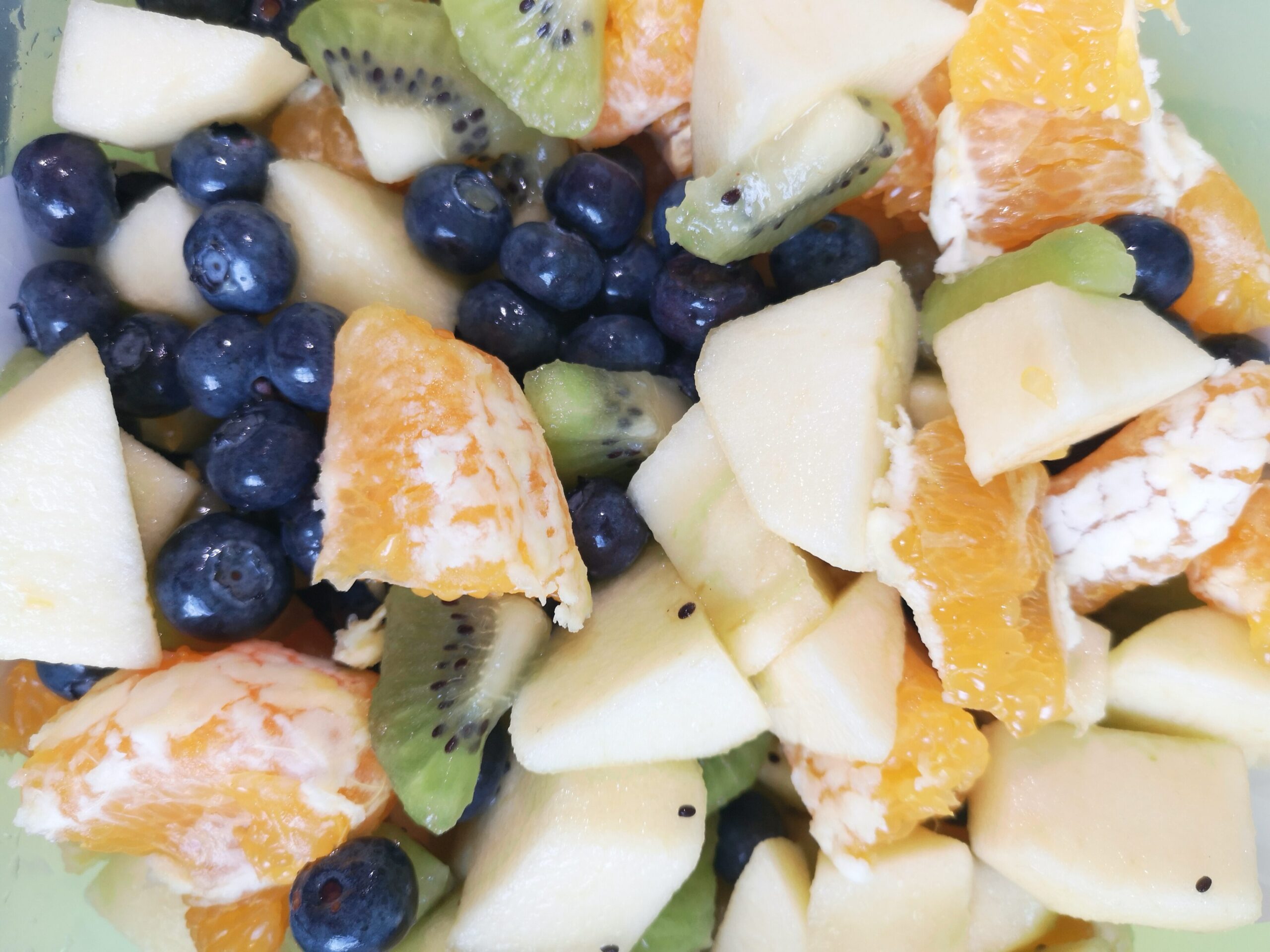
Similarly, bananas can serve as a base for a good smoothie, apples for a crumble or pie etc.
9. Freeze the ingredients
If you want the food to last longer, freeze it before the “use by” date.
I do it mostly with meat. We do our weekly shopping on weekends, which means that some of the meat that we buy will be prepared next Saturday. In order to preserve its quality and prevent spoilage, I freeze it as soon as I come back from the store, and defrost it several days later, when I want to prepare the meal.
10. Be less picky
If you have much fruit and vegetables waste, try to be less picky about how your fruits and vegetables look – while it is healthy, it has no reason to end in the trash. If one side of the apple is good, and the other is not edible anymore, you don’t have to throw the whole apple 🙂
11. Explore your needs
Google it, and then try it out! How many grams of pasta, rice, gnocchi, meat etc. is considered right amount for one person? It is really easy to estimate wrong (= too large) amount, which often leads to leftovers and food waste.
Google has all the answers to it. Of course, the average amounts won’t always suit your needs. That is why the crucial step here is trying it out.
I know now how many (and how big) potatoes I need for mashed potatoes or for French fries. I know how much salad or gnocchi we can eat, and how many pancakes.
That is because every time I prepare a dish, I try to estimate the perfect amount. After the meal, we see if it was too much or too little, and next time we adjust quantities, until we find the size of the meal that is just perfect for us.
My biggest challenge so far is rice and pasta. After some time of trial and error, I learned that I can eat 75g of spaghetti, but I noticed that 75g of some other types of pasta are not enough for me. Amount of rice depends on a type of dish, if it is a side dish or a risotto.
12. Grow your own food
Grow your own food according to your possibilities. Some sorts of vegetables are easy to grow in flowerpots, so you don’t have to own a garden to start growing your own food.
Self-grown and harvested food is less likely to be thrown away because people become aware of the time and effort that was put into producing it.
In the end, there are many people who don’t express concern about the environmental issues of food waste, but there are still good reasons to avoid it: saving money, and saving time put into the purchase or preparation.
Which tips would you like to try and implement in your daily routines?
If you missed the first part of this topic, you can read it here: